


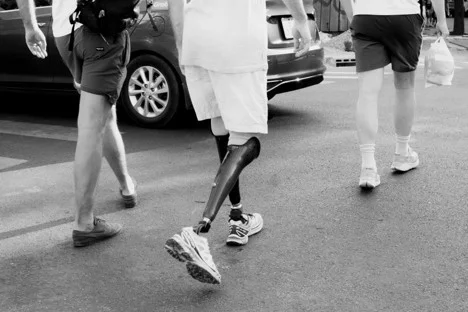
The loss of a limb is a life-changing event that can have a profound impact on every aspect of someone's life.
While some amputations are unavoidable due to injury or illness, others can happen because of substandard medical treatment. If this happens to you, you are likely to have a lot of questions, including whether you are entitled to pursue a medical negligence claim.
In this guide, we answer some of the most frequently asked questions about amputation claims, helping you understand your rights and the claims process.
What Is an Amputation Claim?
An amputation claim is a type of medical negligence claim brought by someone who has suffered the loss of a limb, or part of a limb, because of negligent medical care.
To bring a successful amputation claim, the following questions need to be answered:
- Was there a breach of duty of care? Did a healthcare professional or organisation treatment provide treatment that was below an acceptable standard?
- Did the breach of duty of care cause an amputation injury that was avoidable?
- What is the extent of the avoidable injury / injuries?
Claims can involve amputations affecting:
- Legs or feet
- Arms or hands
- Fingers or toes
- Multiple limbs
Can an Amputation Be Caused by Medical Negligence?
Yes.
While many amputations are clinically necessary and unavoidable, there are circumstances where negligent medical treatment can lead to the loss of a limb (or limbs) that could otherwise have been prevented.
Several forms of medical negligence can result in amputation claims, including:
Delayed Diagnosis of Infection
Severe infections can spread rapidly, damaging tissue, and restricting blood supply. If an infection is not diagnosed and treated quickly enough, amputation may become necessary to prevent further spread.
Failure to Diagnose Circulatory Problems
Conditions such as peripheral arterial disease can reduce blood flow to limbs. Delays in diagnosis and treatment can lead to tissue death and eventual amputation.
Diabetic Negligence
Patients with diabetes are at increased risk of foot ulcers, infections, and circulatory complications. Failure to monitor, investigate, or treat diabetic foot problems can lead to preventable amputations.
Surgical Errors
Mistakes during surgery may damage arteries, nerves, or surrounding tissues. In some cases, this can compromise blood flow and result in irreversible harm so that amputation becomes the only option to prevent further harm.
Sepsis Mismanagement
Failure to recognise and treat sepsis urgently can result in severe tissue damage. In the most serious cases, amputation may be required to save a patient's life.
In some cases, earlier diagnosis or appropriate treatment may have prevented the need for amputation altogether.
How Do I Know If I Have Grounds for a Claim?
Every case is different, and determining whether negligence occurred requires detailed analysis of the medical records and expert medical evidence.
You may have grounds to pursue a claim if:
- Healthcare professionals failed to diagnose your condition within a reasonable timeframe.
- There were unnecessary delays in treatment.
- Warning signs were overlooked or ignored.
- You had inappropriate or inadequate treatment.
- You were not referred to a specialist when necessary.
- Proper monitoring was not carried out following surgery or treatment.
A specialist medical negligence solicitor can assess the circumstances of your case and advise whether there is a reasonable prospect of success.
What Compensation Can Be Claimed Following an Amputation?
Compensation aims to place the injured person, as far as possible, in the position they would have been in had the negligence not occurred.
We recognise that this is an impossible task in amputation claims, but the only remedy the courts can provide is compensation. A successful claim may include compensation for:
“General Damages”
This compensates for:
- Pain and suffering
- Physical pain, problems, and disability
- Psychological trauma
- Impact on quality of life and loss of amenity (the ability to do things)
“Special Damages”
This compensates for financial losses and expenses, both in the past and the future:
- Loss of earnings
- Loss of pension
- Care and assistance
- Medical treatment costs
- Prosthetic limbs
- Rehabilitation and physiotherapy
- Adapted accommodation
- Mobility equipment
- Travel expenses
Because the consequences of amputation are often lifelong, settlements can be substantial and may account for future needs extending over many decades.
How Much Compensation Could I Receive?
There is no fixed amount of compensation for an amputation claim, as the value of a claim will depend on several factors including:
- Which limb was amputated
- The level of amputation
- Your age
- The impact on your employment
- Future care requirements
- Prosthetic and rehabilitation needs
- Psychological effects
- Loss of independence
Each claim is assessed on its individual circumstances, and we will obtain expert evidence to accurately value both current and future losses.
What Evidence Is Needed for an Amputation Claim?
Evidence is vital in establishing liability and valuing the claim.
This may include:
- Medical records from your GP and the hospitals you attended
- Diagnostic imaging, e.g. x-ray, CT scans, and MRI
- Witness statements
- Employment records
- Financial documentation
- Expert medical reports
- Rehabilitation assessments
Independent medical experts are instructed to provide opinions on whether the standard of care you received fell below acceptable levels, whether the amputation could have been avoided, and how your injuries impact your life.
How Long Do I Have to Make a Claim?
In most medical negligence cases, court proceedings must be started within three years of:
- The date the negligence occurred, or
- The date you first became aware that negligent treatment may have caused your injury.
Different rules can apply to:
- Children
- Individuals lacking mental capacity
- Fatal negligence claims
As limitation issues can be complex, it is advisable to seek legal advice as soon as possible.
Can I Make an Amputation Claim on Behalf of a Family Member?
In certain circumstances, yes.
Claims can often be brought on behalf of:
- Children under the age of 18
- Adults who lack the mental capacity to manage their own affairs
- Individuals who have suffered severe cognitive injuries
If a loved one has died as a result of negligent medical treatment that caused amputation-related complications, family members may also be able to pursue a claim on behalf of their estate.
Will I Need to Go to Court?
The majority of medical negligence claims settle without the need for a trial.
However, if liability or the value of the claim is disputed, court proceedings may be necessary.
Even when court proceedings are started, many claims are resolved through negotiation before reaching a final hearing.
Your solicitor will guide you through every stage of the process and work to achieve the best possible outcome.
Can Rehabilitation Be Provided Before My Claim Settles?
In many cases, yes.
Where liability is admitted, interim payments may be secured to fund:
- Rehabilitation
- Prosthetic provision
- Adaptations to the home
- Specialist therapies
- Care and assistance
Early access to rehabilitation can be crucial in helping you to maximise your independence and quality of life following an amputation.
Why Choose a Specialist Amputation Claims Solicitor?
Amputation claims are highly complex and can involve significant long-term losses.
A specialist medical negligence solicitor will understand:
- The medical issues surrounding amputation injuries
- The need for specialist expert evidence
- The long-term costs of prosthetics and rehabilitation
- Future care and accommodation requirements
- The psychological impact of limb loss
Experienced solicitors can ensure that every aspect of your claim is properly investigated, so that your compensation reflects your current and future needs and means that you do not need to worry about how you will support yourself for the rest of your life.
Contact Our Medical Negligence Solicitors
If you or a loved one has undergone an amputation that may have been caused by negligent medical treatment, seeking specialist legal advice is an important first step.
Our expert medical negligence team has extensive experience handling complex amputation claims and securing compensation to support clients with rehabilitation, care, and future financial security.
Contact us today for a confidential, no-obligation discussion about your circumstances and how we may be able to help.
Where can you find support?
There are charities that support people after the loss of a limb. Contact them for advice and support.

Quote from author. Gemma Lewis, Partner and Specialist Medical Negligence Solicitor from MDS, said " The loss of a limb can have a devastating impact on a person's independence, career, relationships and overall quality of life. While not every amputation is preventable, there are cases where delays in diagnosis, failures in treatment, or other forms of medical negligence have contributed to the outcome. It's important that patients and their families understand their legal rights and have access to specialist advice that can help secure the support, rehabilitation and long-term financial security they may need for the future.”
.webp)


